
Fill Out a Valid Virginia Dmv Registration Template
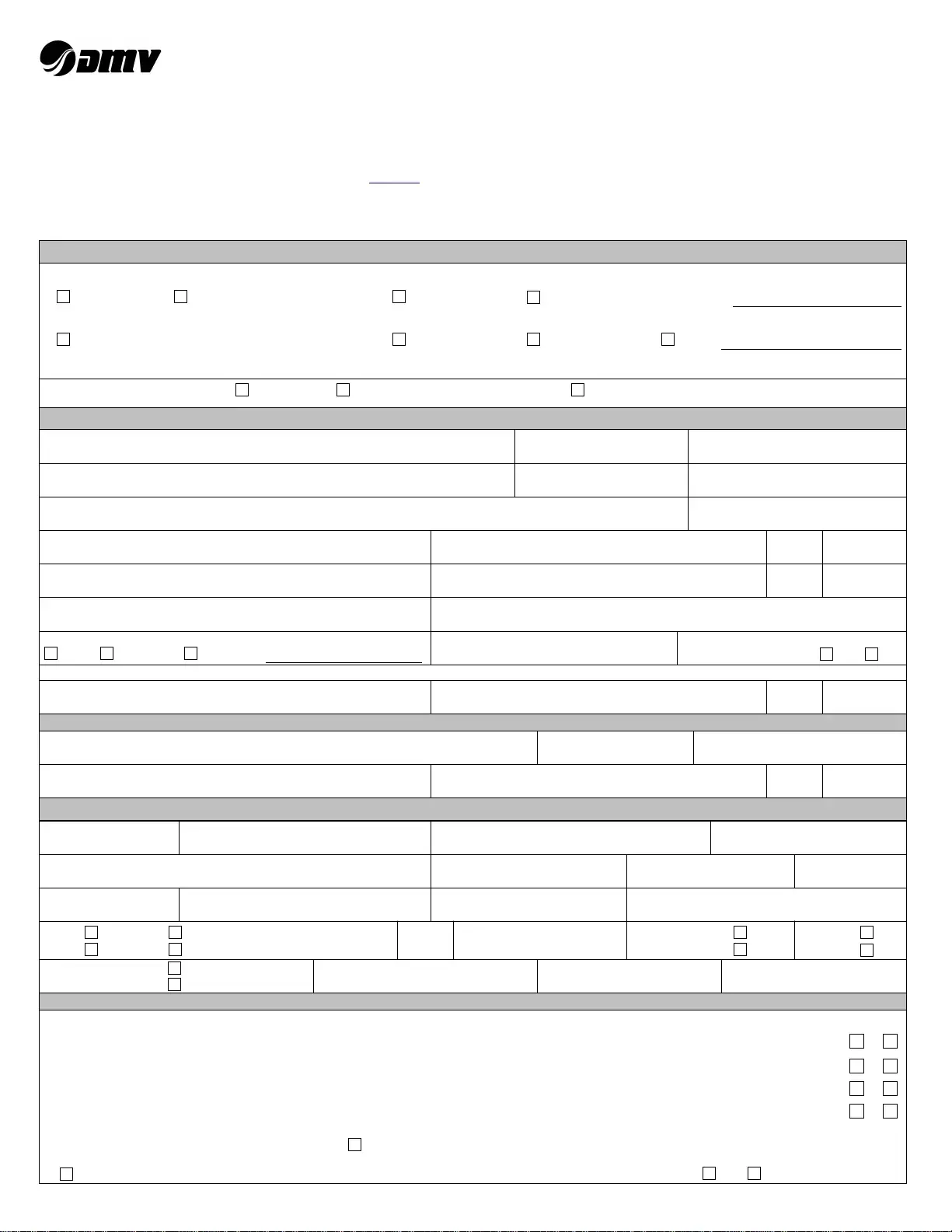
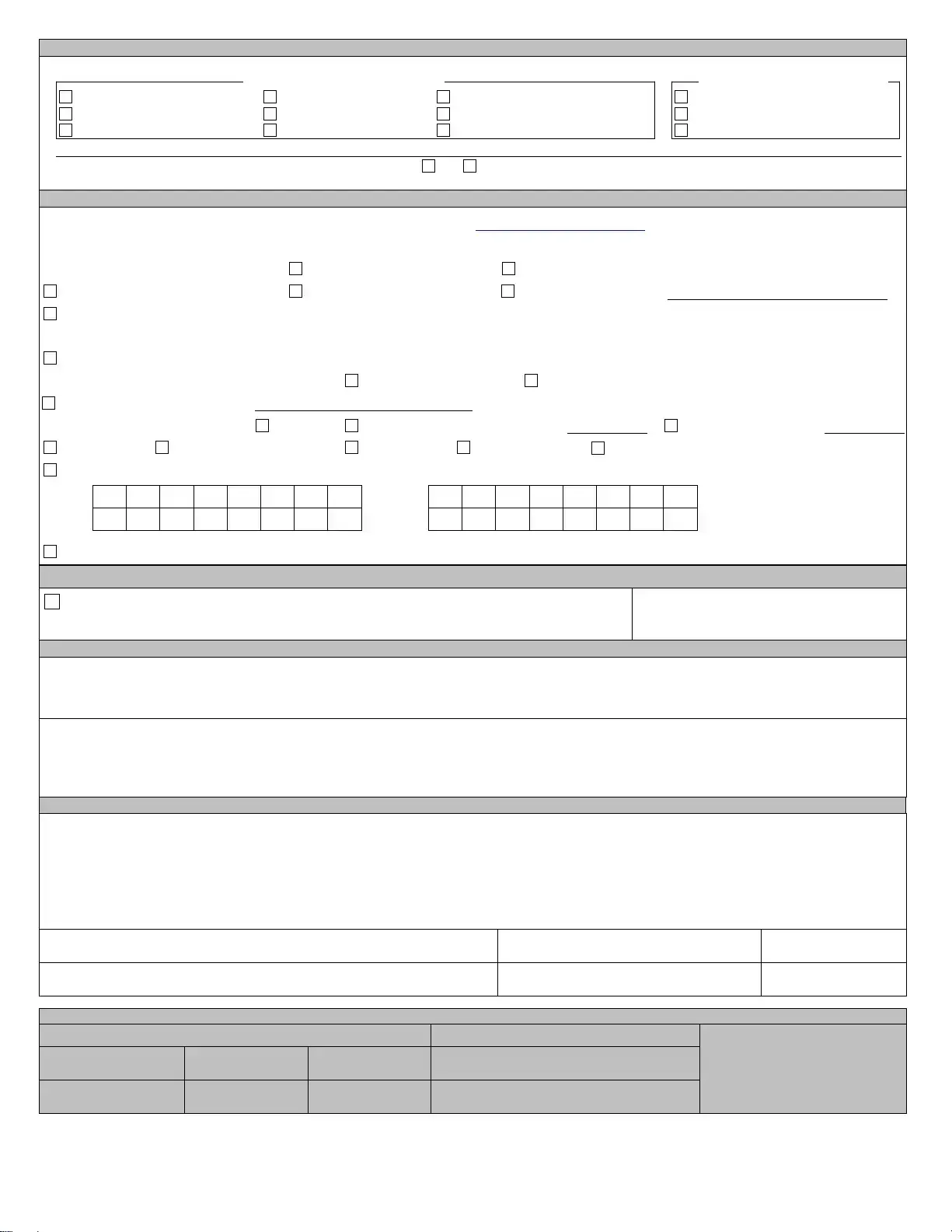
Navigating the intricacies of vehicle registration in Virginia demands familiarity with the Virginia Department of Motor Vehicles Registration Form (VSA-0), a comprehensive document that plays a crucial role in the registration process. Rigorously updated, the latest version from August 2006, encapsulates essential details spanning the vehicle's identification number (VIN), issuance date, plate number, alongside plate and sticker expiration dates, to mention a few. It meticulously records vehicle specifics, including make, model, year, color, and fuel type, caters to differentiate between private and commercial use, and assesses vehicle load through parameters like axles, gross weight, and gross combination weight rating. The form serves as a vital record, confirming ownership and ensuring the vehicle meets the state's legal and insurance requirements. Compliance with Virginia's law is underscored through requirements such as notification of vehicle sale, trading, or disposal, alongside the obligation to inform the DMV of any address changes. The completion and timely submission of this form safeguard vehicle owners against potential penalties, including suspension of driving privileges and cancellation of vehicle license plates, making it an indispensable tool for maintaining vehicle legality on Virginia roads.
Virginia Dmv Registration Example
Form Properties
| Fact | Detail |
|---|---|
| Governing Law for Notification of Vehicle Sale, Trade, or Disposal | Virginia law mandates that the DMV must be notified if a vehicle is sold, traded, or otherwise disposed of. This requirement ensures the accurate tracking and registration of vehicles within the state. |
| Insurance Verification | The Virginia DMV verifies insurance coverage for all registered vehicles. A lapse in insurance without notification to the DMV leads to the suspension of the driver's license and cancellation of the vehicle's license plates. |
| Address Change Notification | Vehicle owners are required to inform the DMV of any address changes to receive critical mail, including vehicle registration and driver's license renewal notices. Failure to update the address may result in cancellation of driver's license or photo ID card if the new address is out of state. |
| Registration Form Accessibility | The VSA-0 form, used for vehicle registration in Virginia, includes essential vehicle details such as title number, VIN, purchase date, and owner information, making it a key document in the vehicle registration process. |
Steps to Filling Out Virginia Dmv Registration
When it's time to fill out the Virginia DMV Registration Form, VSA-17A, precise completion ensures that vehicle registration proceeds smoothly and without unnecessary delays. The form serves as a critical document in establishing legal ownership and operation of a motor vehicle in the state of Virginia. By providing accurate and up-to-date information, you not only comply with state laws but also secure a documentation trail for your vehicle's history. Below is a step-by-step guide to help you fill out the form correctly.
- Start with the Title Number: Input the title number provided by the DMV.
- Enter the Vehicle Identification Number (VIN): This unique code identifies your vehicle and can be found on your vehicle's registration documents or its body.
- Fill in the Date Issued: This refers to the date when the vehicle was first registered in your name.
- Provide the Plate Number and Plate Type: If already assigned, these details can be found on your current vehicle plates.
- Specify the Sticker Expiration Date: This date indicates when your current vehicle registration expires.
- Detail your vehicle specifics including Make, Model, Body Type, Year, Color, and Fuel Type.
- Indicate the Vehicle Use: Select "PRIVATE" if the vehicle is for personal use.
- Fill in the number of Axles: This typically applies to larger vehicles or those used for specific types of transportation or hauling.
- Provide the Purchase Date and Odometer reading at Titling.
- Enter lien information in the Lien at Reg section, if applicable.
- Complete owner details: Name and address as they appear on your official documents.
- Address any Vehicle Sold, Traded, or Disposed queries: This is crucial for updating the vehicle's current status and owner.
- Communicate changes in ownership or address promptly: Follow the provided steps to ensure the DMV records are current.
Upon completing the form, review all entries for accuracy before submission. Mail the completed form to the address provided by the DMV, ensuring it's directed to the Attention: Data Integrity. Timely and accurate submission of this document safeguards your legal rights as a vehicle owner in Virginia, keeps you compliant with state regulations, and helps in the efficient operation of state vehicle records.
FAQ
What information do I need to register my vehicle in Virginia?
To register your vehicle in Virginia, you'll need the following information: the title number, vehicle identification number (VIN), date issued, plate number, plate type, sticker expiration date, vehicle make, model, body year, color, fuel type, vehicle use, axles, purchase date, odometer at titling, and any lien information. Make sure to have all of these details handy to ensure a smooth registration process.
What should I do if I change my address or sell my vehicle?
If you sell, trade, or dispose of your vehicle, or if you change your address, Virginia law requires you to notify the DMV. For vehicle changes, include the date of sale, trade, or disposition, and if sold or traded to a Virginia resident/business. If the vehicle was sold or traded to someone out of state, specify the state. To report an address change, you can either visit the DMV website, submit the Address Change Request Form (ISD-01), or call the DMV customer service. Remember, it's important to keep your address up to date to receive all DMV mail, including vehicle registration renewal and driver's license renewal notices.
How do I notify the DMV if I cancel my vehicle's insurance?
If you cancel your vehicle's insurance, immediately inform the DM V and return the license plates. Failure to do so may result in the suspension of your driver's license and the cancellation of all your vehicle license plates. It's crucial to keep your insurance information current with the DMV to avoid any legal issues.
What happens if I don’t send the registration card to the DMV after selling or disposing of my vehicle?
Not sending the registration card to the DMV after selling or disposing of your vehicle can lead to potential legal and financial penalties. It is your responsibility to notify the DMV of any changes to ensure the new owner is recorded and you are released from liability for the vehicle. Always mail the entire registration card to the DMV's Data Integrity address as soon as the vehicle is sold, traded, or disposed of.
Are there different ways to change my address with the DMV?
Yes, there are three ways to notify the DMV of an address change:
- Visit the DMV website and select the Address Change online transaction.
- Submit the Address Change Request Form (ISD-01) by mail.
- Call the DMV customer service line for assistance.
What are the consequences of driving with a suspended license due to not notifying the DMV about insurance cancellation?
Driving with a suspended license because you didn't notify the DMV about insurance cancellation is a serious offense. Consequences can include fines, further suspension of your driver's license, and even jail time. Additionally, it could lead to increased insurance premiums and difficulty obtaining insurance in the future. Always communicate changes in your insurance status to the DMV to avoid these penalties.
What should I do with my registration card if my vehicle registration or driver's license gets cancelled because I moved out of Virginia?
If your vehicle registration or driver's license gets cancelled because you've moved out of Virginia, you should still notify the DMV of your new address and return your Virginia license plates. This step is important to ensure that your records are accurately updated and that you're not held responsible for any vehicle-related obligations in Virginia. Even after moving, handling these matters promptly can prevent future complications.
Common mistakes
When filling out the Virginia DMV Registration form, it's crucial to be thorough and accurate to ensure that your vehicle is properly registered and to avoid potential issues. However, some common mistakes can lead to delays or problems with your registration. Here are seven mistakes to watch out for:
- Incorrect Vehicle Information: Not entering the correct Vehicle Identification Number (VIN), make, model, year, or color can cause significant problems, as this information is crucial for identifying your vehicle.
- Omitting Lien Information: Failing to provide information about any lien on the vehicle can complicate your registration process.
- Forgetting Purchase Date and Odometer Reading: These details are necessary for documenting the ownership and condition of the vehicle at the time of purchase.
- Not Specifying Plate Type and Sticker Expiration Date: Your registration form must reflect the accurate plate type and sticker expiration to comply with Virginia DMV requirements.
- Address Errors: Providing an incorrect or outdated address can lead to missed notifications from the DMV, including renewal notices.
- Failing to Report Vehicle Sale, Trade, or Disposal: Virginia law requires you to notify the DMV if you sell, trade, or dispose of your vehicle. Neglecting to do so can result in fines or penalties.
- Not Updating Insurance Information: Since the DMV verifies insurance coverage, not updating your insurance status or failing to notify the DMV of insurance cancellation can lead to the suspension of your driver's license and the cancellation of your vehicle license plates.
To avoid these mistakes, double-check all information entered on the form, make sure to report any changes in your vehicle's status or your personal information promptly, and always keep your insurance coverage up to date. Remember, accurate and timely communication with the DMV is key to a smooth registration process.
Documents used along the form
When you're navigating the process of registering a motor vehicle in Virginia, it's crucial to have all the necessary paperwork ready to ensure a smooth and hassle-free experience. The Virginia Department of Motor Vehicles (DMV) requires several key forms and documents in addition to the Virginia Motor Vehicle Registration form (VSA-0). Understanding what these additional documents are and their importance can save you time and possibly a headache. Let's dive into some of these essential documents you might need.
- Proof of Insurance: The Virginia DMV mandates that all registered vehicles must have minimum liability insurance coverage. You must provide proof of insurance, such as an insurance card or policy declaration page, to verify that your vehicle meets the state’s requirements.
- Vehicle Title or Certificate of Title: This document serves as the legal proof of ownership of the vehicle. It includes vital information such as the vehicle identification number (VIN), make, model, and year, as well as the name and address of the owner.
- Bill of Sale: Especially relevant in private sales, a bill of sale provides a record of the transaction between the seller and the buyer, detailing the sale price, date, and specifics about the vehicle.
- Safety Inspection Certificate: In Virginia, most vehicles are required to pass a safety inspection annually. The certificate from this inspection must be presented when registering a vehicle to show that it complies with safety standards.
- Emissions Inspection Certificate: If the vehicle is registered in certain Northern Virginia localities, it must also pass an emissions inspection to ensure it meets environmental standards.
- Application for Title and Registration (VSA-17A): If you're also applying for a new title along with registering your vehicle, this form is required. It gathers detailed information about the vehicle and its ownership.
Together, these documents work alongside the Virginia Motor Vehicle Registration form to create a full picture of your vehicle's legal status and readiness for the road. Ensuring you have each of these forms filled out and gathered before you head to the DMV or commence the online registration process can significantly streamline your experience. The key is preparation—having all necessary documentation in order will make the registration of your vehicle a much simpler task.
Similar forms
The Virginia DMV Registration form is similar to vehicle title application forms used in various states. Like the DMV Registration form, vehicle title applications often require detailed information about the vehicle, such as the Vehicle Identification Number (VIN), make, model, year, and color. Both forms play a crucial role in documenting ownership and the legal status of the vehicle. They also typically require the owner's personal information, ensuring that the vehicle's legal documentation is accurately aligned with the correct individual. The primary difference lies in their purpose: while the registration form is for formally registering a vehicle for use on public roads, the title application is for establishing or transferring ownership of the vehicle.
In addition, the Virginia DMV Registration form bears resemblance to insurance verification forms. These forms confirm that a vehicle has the required insurance coverage before it is legally allowed on the road. Similar to the registration form, insurance verification requests details such as the plate number, plate type, and VIN. Both sets of forms are essential for the DMV to maintain accurate records and ensure that vehicles meet the state's legal requirements for operation and insurance coverage. The key difference is the focus of the documentation; the registration form is for the state’s database, while the insurance verification ensures compliance with state insurance laws.
Dos and Don'ts
Filling out the Virginia DMV Registration form accurately is crucial for the legal operation of your vehicle in the state. Here are some essential do's and don'ts to ensure the process goes smoothly:
- Do double-check the vehicle identification number (VIN) to ensure it matches your vehicle documentation. A single mistake can lead to numerous complications.
- Do accurately report the odometer reading at the time of titling. This provides a record of the vehicle's mileage, which is important for future sales and maintenance records.
- Do specify the correct vehicle use, whether it's for private or commercial purposes. This classification can impact your registration fees and insurance requirements.
- Do update your address promptly if you move. You can do this online, by mail, or over the phone to ensure you receive all necessary DMV communications.
- Don't forget to notify the DMV if you sell, trade, or dispose of your vehicle. Failing to do so can result in unnecessary fees or fines.
- Don't overlook the plate type and sticker expiration date. Knowing when your registration expires is crucial to avoid driving with an expired registration.
- Don't cancel your insurance coverage before notifying the DMV and returning the license plates. Doing so can lead to the suspension of your driver's license and the cancellation of your vehicle license plates.
By following these guidelines, you can ensure a smoother process with the Virginia DMV and stay compliant with state regulations. Remember to retain a copy of the completed form for your records and to carry the registration card in your vehicle at all times when driving.
Misconceptions
When dealing with the Virginia Department of Motor Vehicles (DMV) vehicle registration process, there are several misconceptions that can lead to confusion among vehicle owners. It’s important to clarify these misunderstandings to ensure that the vehicle registration process goes smoothly.
Many think the registration form VSA-0 is solely for the initial registration of a vehicle. However, this form is also required for the renewal, update, or amendment of existing registration details, not just for the first registration.
Another common misunderstanding is about the requirement to carry the registration card in the vehicle at all times. While the card must be present in the vehicle during operation, simply having it does not grant the operator the right to drive the vehicle; a valid driver's license is also necessary.
There's a misconception that the DMV automatically updates the registration when there’s a change in vehicle insurance. In reality, it's the responsibility of the vehicle owner to inform the DMV about any insurance changes. Failing to do so may lead to the suspension of the driver's license and cancellation of the vehicle plates.
Some believe that notifying the DMV of a vehicle sale, trade, or disposal is optional. Virginia law mandates that the DMV must be informed when any of these events occur to ensure accurate records and prevent potential liabilities for the previous owner.
A common error is assuming that any address change will automatically update the DMV records. Vehicle owners must notify the DMV of any change in address using one of the specified methods to ensure they receive all correspondence and avoid possible legal issues.
Lastly, there's a belief that all communication with the DMV regarding registration needs to be completed in person or via mail. However, many tasks, including address changes, can be executed online through the DMV’s official website, offering a more convenient option for most users.
Clarifying these misconceptions is crucial for maintaining valid vehicle registration and compliance with Virginia law. Vehicle owners are encouraged to frequently review DMV guidelines and requirements to avoid unintentional non-compliance.
Key takeaways
Filling out and using the Virginia DMV Registration form, officially known as VSA-0, is an important process for vehicle owners in the state. This guide provides key takeaways to help you complete and use the form correctly.
Ensure that you have the correct version of the form: The current revision is VSA-0 (REV 08/06).
Complete all sections accurately, including the vehicle identification number (VIN), the title number, and all vehicle specifics like make, model, body type, year, color, and fuel type.
The form records vital details such as the plate number, plate type, and sticker expiration date, which are crucial for maintaining legal vehicle registration and compliance with Virginia state laws.
Vehicle use is classified on this form. Ensure that you select the correct use, such as 'PRIVATE' for personal vehicles, to avoid any issues with your registration.
Be thorough when reporting your odometer reading at the time of titling, as this information is crucial for your vehicle records.
Any lien information at the time of registration must be disclosed, indicating any creditors that may have a legal claim on the vehicle.
Insurance is verified by the DMV for all registered vehicles. If you cancel your insurance, it is imperative to notify the DMV and return the license plates to avoid suspension of your driver's license and the cancellation of your vehicle's license plates.
Virginia law mandates notifying the DMV in case of selling, trading, or disposing of your vehicle. This includes providing the date of the transaction and whether the vehicle was sold or traded to a Virginia resident or business.
Keep your address up-to-date with the DMV to ensure you receive all necessary correspondence, including vehicle registration renewal notices. Address changes can be made online, by mail, or by phone.
If you relocate outside of Virginia, be aware that changing your address to a non-Virginia address may result in the cancellation of your Virginia driver's license or photo ID card.
Adhering to these guidelines will help ensure that your vehicle registration process in Virginia is smooth and compliant with state laws. Remember to keep this information handy when completing or updating your registration to avoid any potential issues.
Other PDF Forms
Va760cg - The form facilitates compliance with tax obligations following company changes or errors in prior filings.